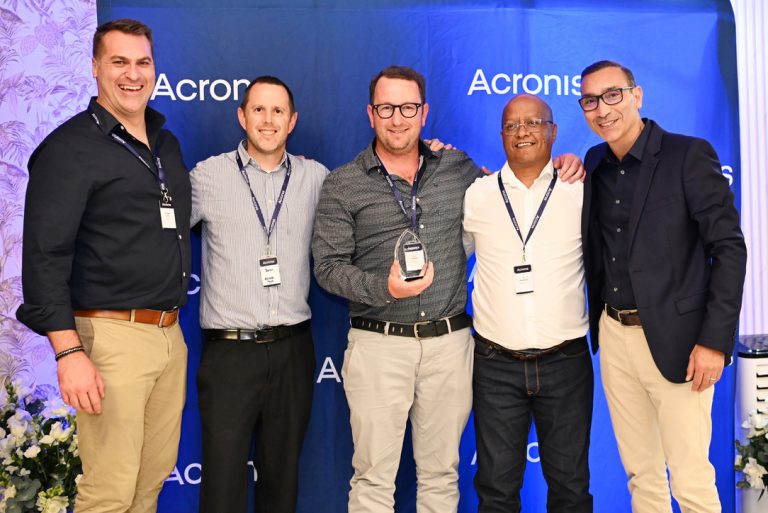
Altitude Sync is now offering Distribution alongside our existing services, a commit-based way for partners to access cloud solutions with pricing and terms built around planned volume rather than month-to-month usage. This post is a practical guide to what that means, who it’s built for and how to know if it’s the right fit for where your business is right now.
What Distribution Means
At its core, Distribution is straightforward. You commit to a level of consumption upfront, over an agreed period and in exchange you get pricing and terms shaped around that commitment. It’s less about paying for what shows up each month and more about planning ahead, then being rewarded for that planning.
This isn’t the old hardware-distribution model of shifting boxes and hitting sales targets. It’s built for how businesses actually consume cloud services today: ongoing, chargeable and tied to real client demand. What’s carried over from traditional distribution is logic that’s always held up: that committing to volume is worth something and a provider should be willing to reflect that in the deal.
For Altitude Sync partners, that means access to Acronis Cyber Protect Cloud under a model built for partners who are ready to plan ahead and commit to what they expect to need. In addition, there is the element of technical support where we’ve experienced and tested the platform with our technical resources. In some instances, we would never be able to test everything and would have to escalate back to the vendor. However, priority support can be provided based on the severity of the event and outage.
Who Distribution Is Built For
The businesses best placed for Distribution tend to share one thing: they’re delivering services to a loyal base of clients or end users, with a level of support that provides the client with a knowing that you have their back when the chips are down.
A provider managing security or backup across a growing roster of client environments usually has more visibility into upcoming demand than it might give itself credit for. New client onboarding follows a rhythm. Existing accounts are renewed predictably. Seat counts and storage needs grow in step with client growth rather than swinging wildly month to month. That pattern, once it’s visible, is exactly what a committed model is built to reward.
A provider delivering connectivity, infrastructure, or integration work across multiple client sites is often in a similar position. Once a handful of contracts are in place and the operational side has settled, demand becomes a lot more forecastable than it was in the first year of building that client base out.
None of this depends on size. A smaller, focused provider with a stable, well-understood client base can be just as ready for Distribution as a larger one managing hundreds of environments. What matters is whether there’s enough visibility into what’s coming to make a commitment worth making, not how big the number behind it is.
The Honest Case for Distribution
Pricing and terms built around your commitment. Committing to volume upfront enables Altitude Sync to build pricing and terms around that specific relationship, rather than treating each month as a fresh, standalone transaction.
Costs you can plan around. A committed model tends to yield a clearer, more predictable cost structure, which is useful when you’re building budgets, setting client pricing, or reporting on margins several months out, rather than reacting to what came in this month.
A relationship that deepens with commitment. Committing to a plan tends to build a different kind of working relationship over time, one grounded in shared visibility into what’s coming.
A structure that matches how you already think about your business. If you’re already forecasting client growth and renewal patterns internally for your own planning, Distribution simply lets that same thinking translate directly into how you’re billed and supported.
Where It Takes More Thought
None of this is worth pretending is effortless and a decent guide wouldn’t leave that part out.
You’re planning ahead and plans shift. Committing to volume means working off your own projections. If client growth or renewals come in lower than expected, you’re still accountable for what you committed to. That’s worth weighing honestly against how settled your client base is.
It rewards visibility, not size. Confidence in the forecast matters more than the scale of the operation behind it.
It’s a genuine commitment, not a trial. Distribution works because both sides are planning around the agreement. That’s a meaningful shift from paying only for what shows up each month and it’s worth going in with clear eyes about what you’re signing up for.
It doesn’t have to cover everything. Plenty of partners will want to bring only their most predictable client segments or service lines into a committed structure, while handling newer or less established ones differently. That’s a reasonable way to ease into the model rather than committing your entire book of business at once.
When It’s Worth a Conversation
There’s no fixed revenue figure or partner tier that determines readiness. But a few honest signals are worth paying attention to:
- You can point to a few months of steady, explainable client demand, not just a hopeful curve.
- Client renewals and onboarding in your core service lines follow a pattern you understand well enough to forecast a few months ahead.
- You’re already doing this kind of planning internally for your own budgeting and simply haven’t had a reason to formalise it with a provider yet.
- You’re expanding into new client verticals or compliance requirements, POPIA-sensitive sectors, for instance, and want pricing and terms that reflect a longer-term relationship rather than a transactional one.
- You are built for predictability and measured outcomes. If you’re thinking and business ethos crave measured outcomes, then commitment is your strength.
- You’d rather commit to a plan and know where you stand than treat each month as a fresh decision.
If that doesn’t sound like where you’re at yet, that’s a completely normal place to be, and there’s no downside to waiting until it does. But if several of those signals sound familiar, don’t sit on it. Get in touch and let’s dig into what committing looks like for you.